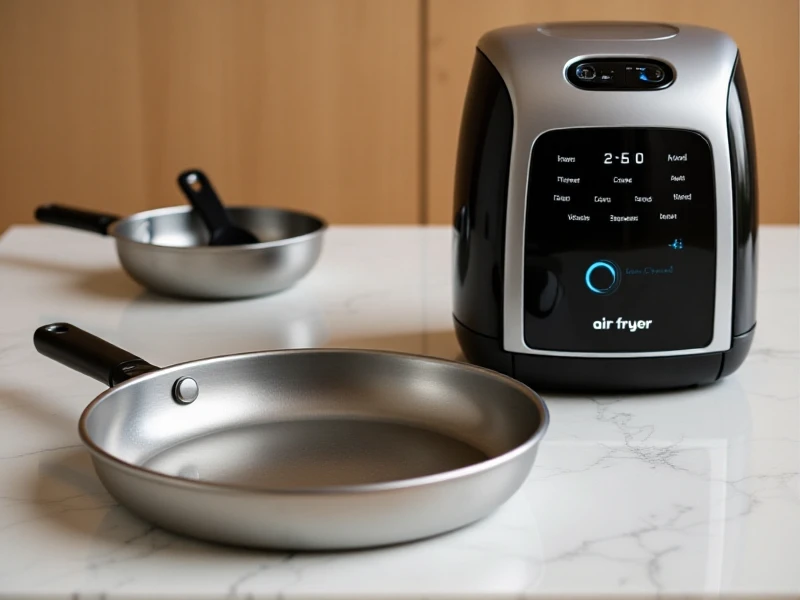
The Ultimate Guide to Choosing the Perfect Pan for Healthy Cooking
Here is an SEO-optimized article targeting the keyword "Pan":
Finding the right pan can transform your cooking experience from a chore into a delight. Whether you're searing a juicy steak, creating fluffy omelets, or whipping up a vibrant vegetable stir-fry, the pan is your essential kitchen partner. A great pan ensures even heat distribution, prevents sticking, and helps retain valuable nutrients – key for healthy cooking.
First, consider the material. Non-stick pans are immensely popular for easy food release and quick cleaning, requiring minimal oil. Look for high-quality, PFOA-free non-stick coatings. Stainless steel pans offer excellent durability and browning capabilities, perfect for achieving those delicious caramelized flavors. They often feature an aluminum or copper core for superior heat conduction. For unmatched heat retention and natural non-stick properties when seasoned correctly, cast iron pans are legendary. They require a bit more care but reward you with superb results and versatility, going seamlessly from stovetop to oven.
Size matters. A 10 or 12-inch frying pan suits most family needs, versatile for proteins, veggies, and sauces. Smaller pans (8-inch) are ideal for single eggs or grilled cheese. If you love one-pot wonders, a deep sauté pan or everyday pot with high sides offers braising and simmering potential. Depth defines functionality.
The right handle is crucial for control and safety. Opt for sturdy, riveted handles that stay cool or are clearly marked as oven-safe. Some designs include a secondary helper handle for stability with larger, heavier pans. Comfortable grip is essential, especially when flipping food.
For the health-conscious cook, choosing non-toxic surfaces is paramount. Modern ceramic non-stick coatings provide a great alternative to traditional non-stick without harmful chemicals. Cast iron naturally develops its own non-stick patina through proper seasoning and care.
Proper maintenance extends your pan's life. Avoid harsh scouring pads on non-stick surfaces. Hand wash gently with mild soap. Avoid extreme temperature shocks (like putting a hot pan in cold water) which can warp bases. For cast iron, drying immediately after washing and applying a light layer of oil after use prevents rust.
Ultimately, the "best" pan depends on your cooking style. Consider what you cook most and prioritize accordingly. A high-quality pan is an investment in your culinary journey, making cooking easier, healthier, and more enjoyable. Time to upgrade your kitchen companion and start creating delicious, wholesome meals with confidence!