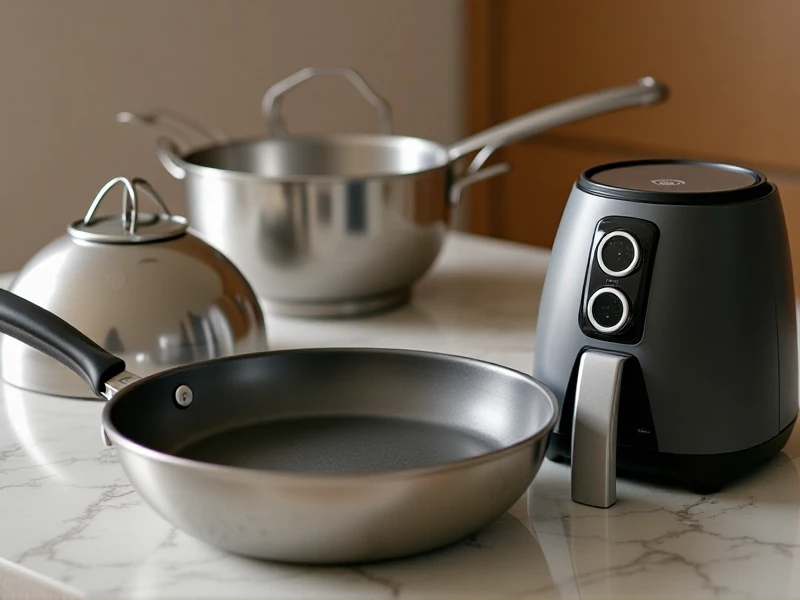
The Ultimate Cookware Guide: Choosing Pots & Pans That Transform Your Kitchen
Choosing the right cookware isn't just about cooking; it's about elevating the entire experience. From searing steaks to simmering sauces, having durable, high-performing pots and pans makes every dish taste better and cooking far more enjoyable. Navigating the vast world of cookware – stainless steel, cast iron, non-stick, ceramic, copper – can feel overwhelming. Let's break down the essentials.
Material Matters: Unpacking Cookware Types
- Stainless Steel: A champion for versatility and durability. It resists staining, doesn't react with acidic foods, and delivers even heat (especially with bonded aluminum or copper cores). Perfect for searing, browning, deglazing, and making sauces.
- Cast Iron: Beloved for superior heat retention and even cooking. It goes stovetop to oven seamlessly and develops a natural non-stick patina over time (with proper seasoning). Ideal for searing, frying, baking, and slow-simmering stews.
- Non-Stick: Unbeatable for low-fat cooking and delicate foods like eggs or fish requiring effortless release. Opt for modern, PTFE/PFOA-free ceramic coatings or reinforced diamond-infused options for improved scratch resistance and longevity.
- Ceramic: Offers naturally non-stick properties without PTFE, often with vibrant colors. It heats quickly but may have less consistent heat distribution than bonded metals.
- Copper:** The pinnacle of heat conductivity, offering instant temperature control. Often lined with stainless steel or tin for safety and food compatibility. It demands more maintenance but delivers professional precision.
Choosing Your Perfect Cookware Set: Key Considerations
- Your Cooking Style: Are you a weekday warrior who needs speed? Opt for non-stick or clad stainless. A weekend slow-cooker or searing enthusiast? Cast iron is essential. Do you make delicate sauces? A high-quality stainless saucepan is key.
- Heat Source Compatibility: Induction cooktops require magnetic cookware – look for the induction symbol (cast iron and many stainless/clad pots work). Gas and electric offer wider compatibility.
- Durability & Maintenance: Cast iron requires seasoning but lasts generations. Stainless steel resists wear and tear. Non-stick demands gentle care to maintain the coating.
- Handles & Lids: Ensure handles stay cool (riveted stainless steel is great). Glass lids offer visibility, stainless lids retain heat well. Lids should fit snugly.
Essential Cookware Pieces for Every Kitchen
Start with the fundamentals rather than a huge set:
- Chef’s Pan (or Large Sauté Pan)
- Medium Saucepan with Lid
- Small Saucepan with Lid
- Frying Pan (10-12 inches)
- Dutch Oven (4-7 quarts) – indispensable for braising, soups & baking bread.
Maintaining Your Cookware Investment Proper care ensures longevity:
- Follow manufacturer cleaning instructions. Avoid abrasive scouring pads on non-stick and stainless. Season cast iron regularly.
- Preheat pans on low-to-medium heat before adding oil or food (especially steel/iron).
- Never plunge a hot pan into cold water; let it cool slightly first.
More Than Just Tools: Cooking Becomes an Art Investing in quality cookware enhances both your results and efficiency. Well-designed pieces distribute heat uniformly, eliminating scorched spots and frustrating uneven cooking. That perfect sear on a steak, achieved effortlessly in a heavy-bottomed pan, or a sauce thickened to silky perfection in a responsive pot – these moments are gifts bestowed by well-chosen cookware. We've all experienced the struggle of flimsy pans scorching pancakes or thin pots failing to simmer consistently. Switching to durable, reliable pots and pans transforms preparation from a chore into creative expression.
Think of cookware as the foundation of your culinary art. Choosing pieces suited to your needs empowers your cooking, saves time, minimizes frustration, and consistently inspires delicious results. Ditch the disappointment of poorly made pots; embrace cookware that makes cooking a genuine pleasure every single day.